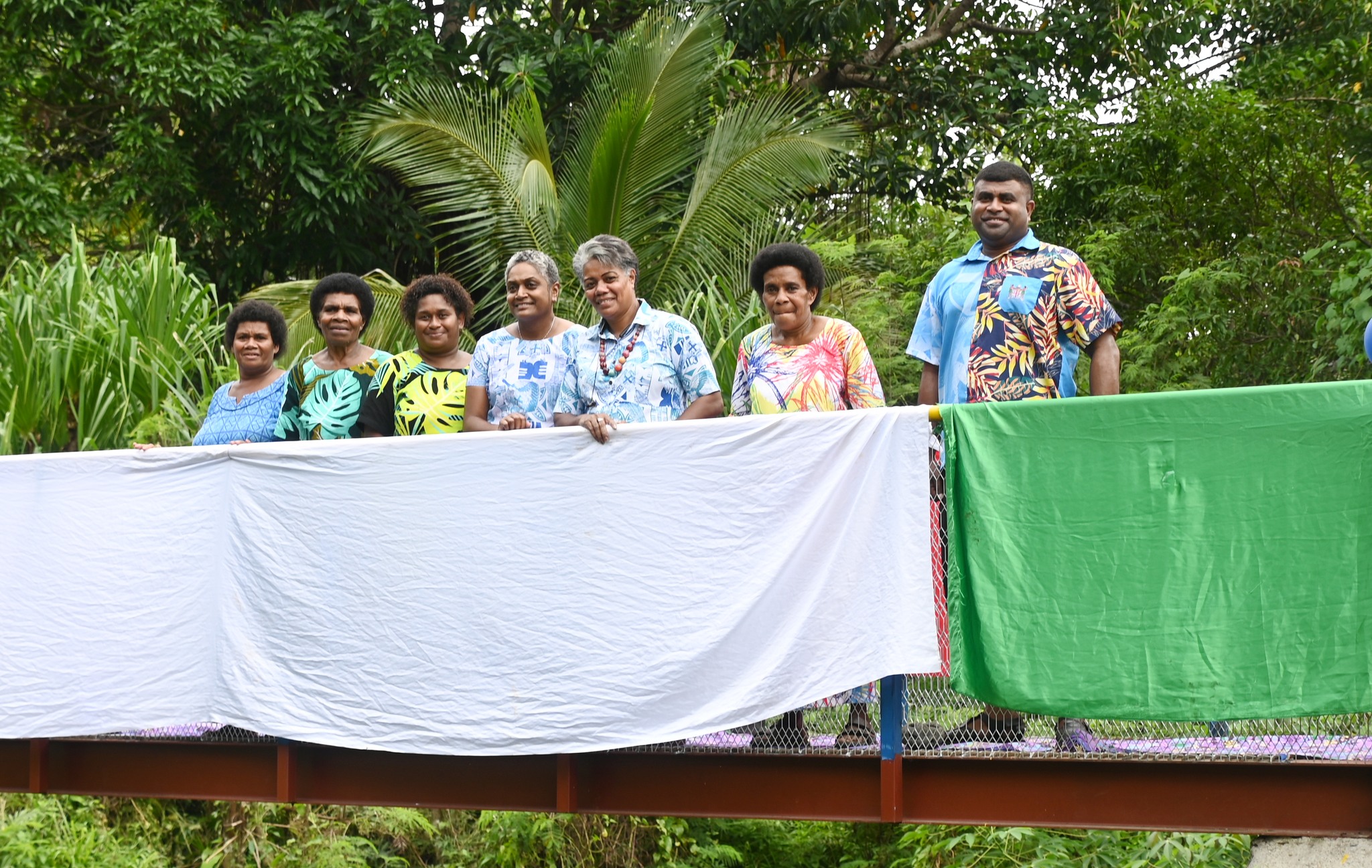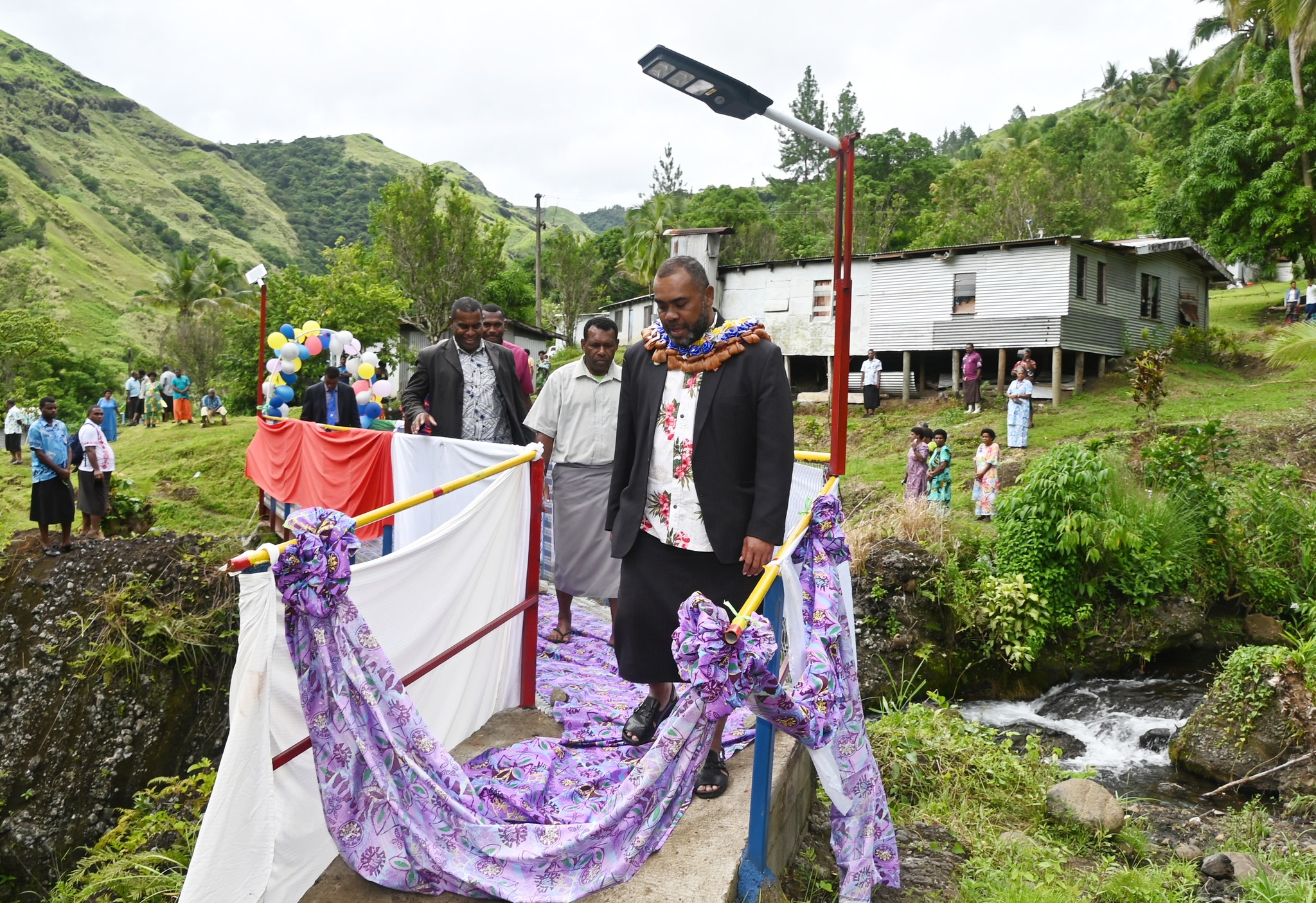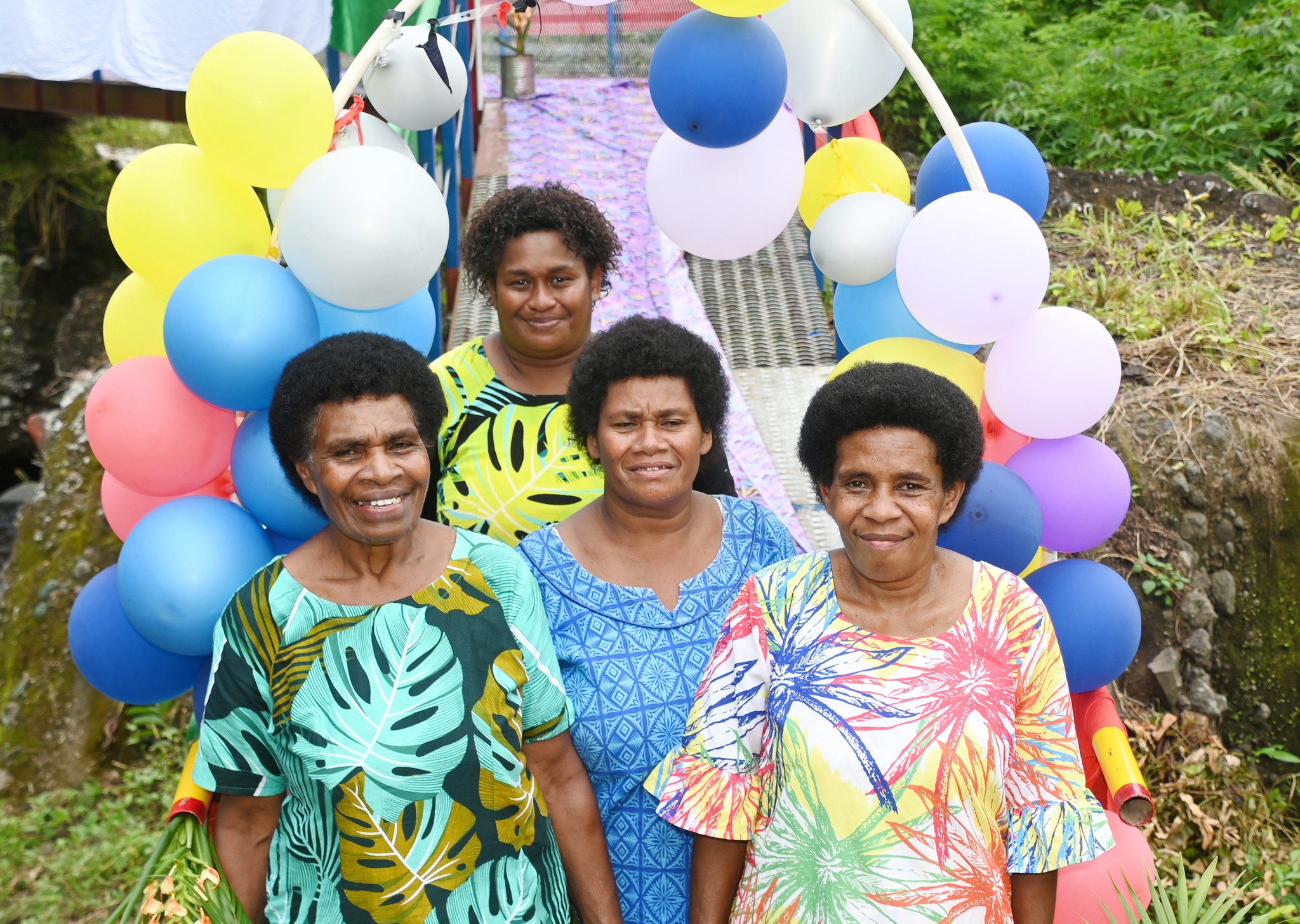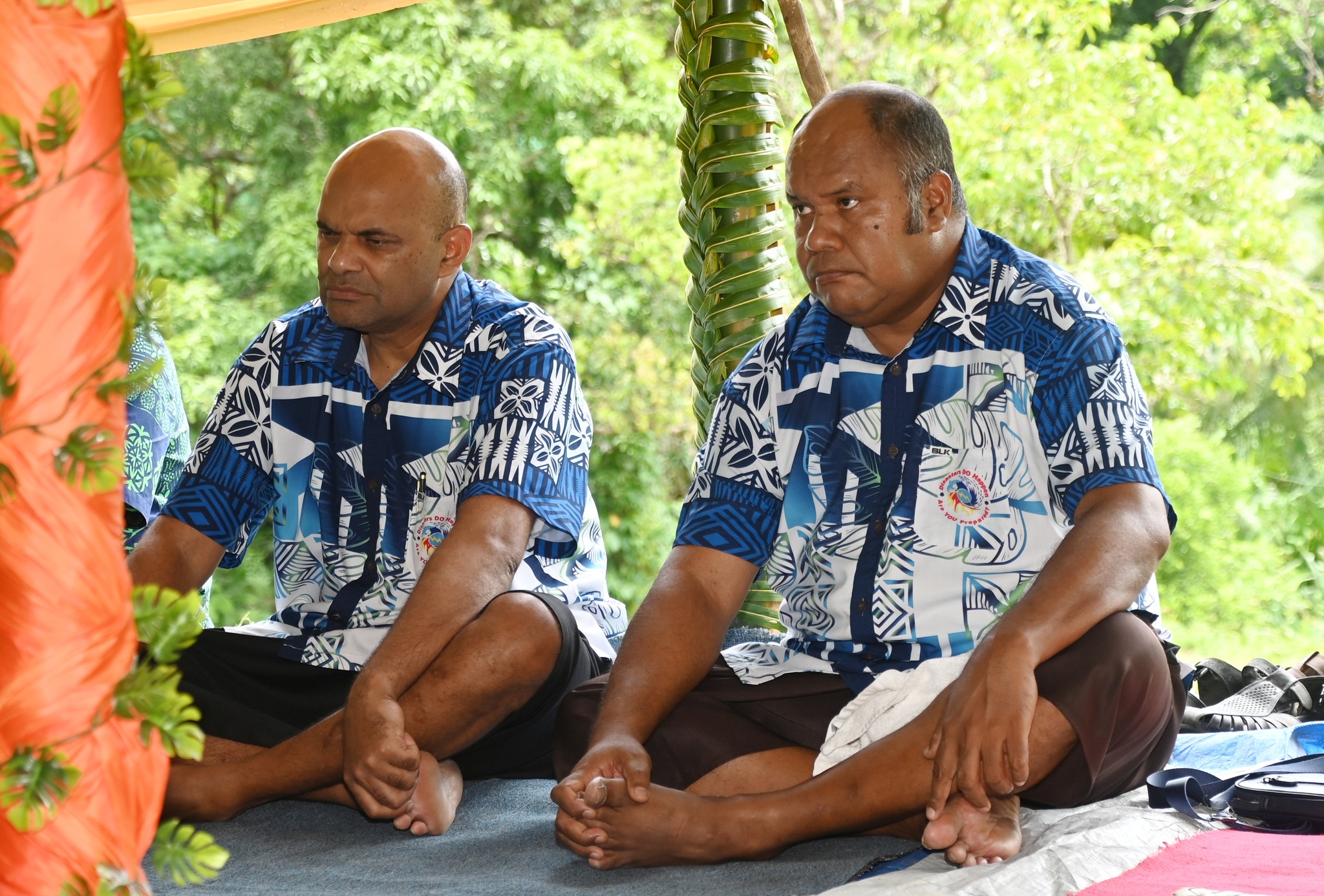

In the interior highlands of Nadarivatu, Rakiraki, last week marked a quiet but meaningful change for the people of Marou Village.
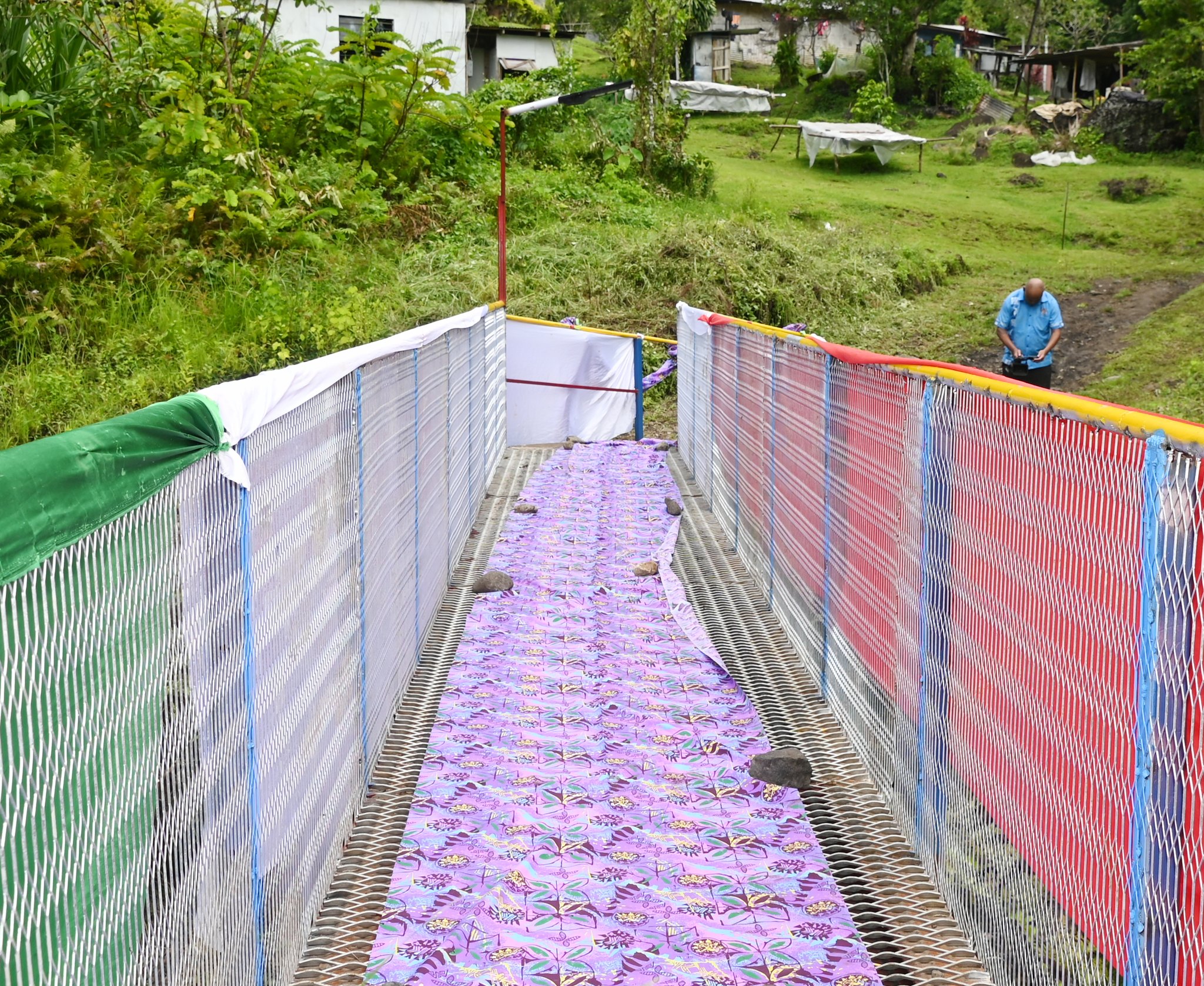
For years, crossing the river during heavy rain meant uncertainty—parents worrying about children getting to school, families delaying clinic visits, farmers waiting for water levels to drop before tending to their crops. That changed with the completion and commissioning of the Marou Village Footcrossing.
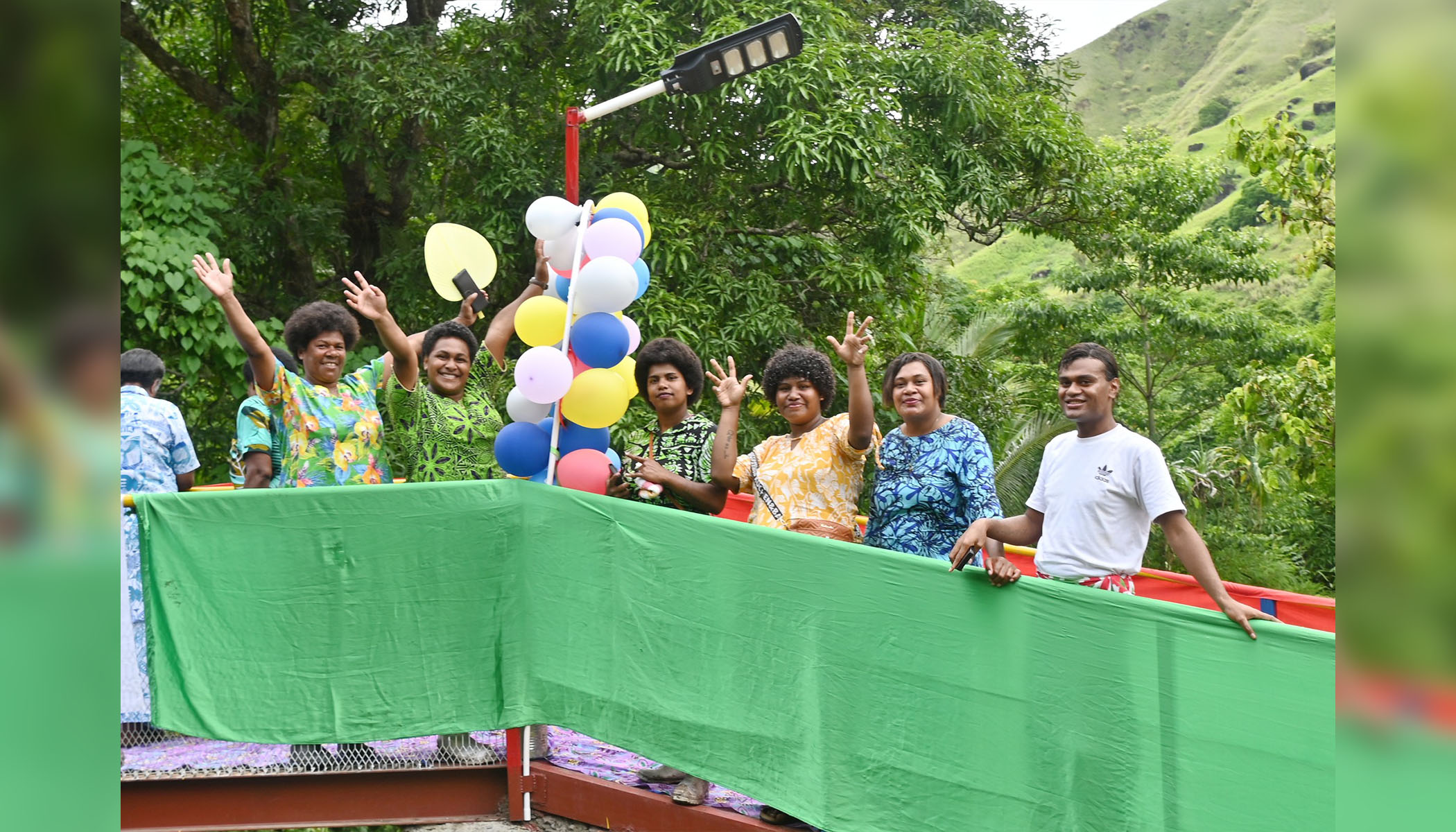
Built at a cost of $48,000 under the Ministry of Rural and Maritime Development and Disaster Management’s Community Access Roads, Footpaths and Footbridges (CARFF) Programme, the new footcrossing now provides safer and more reliable access for nearly 100 villagers from 15 households. Women, children, the elderly and persons living with disabilities are among those who stand to benefit most.
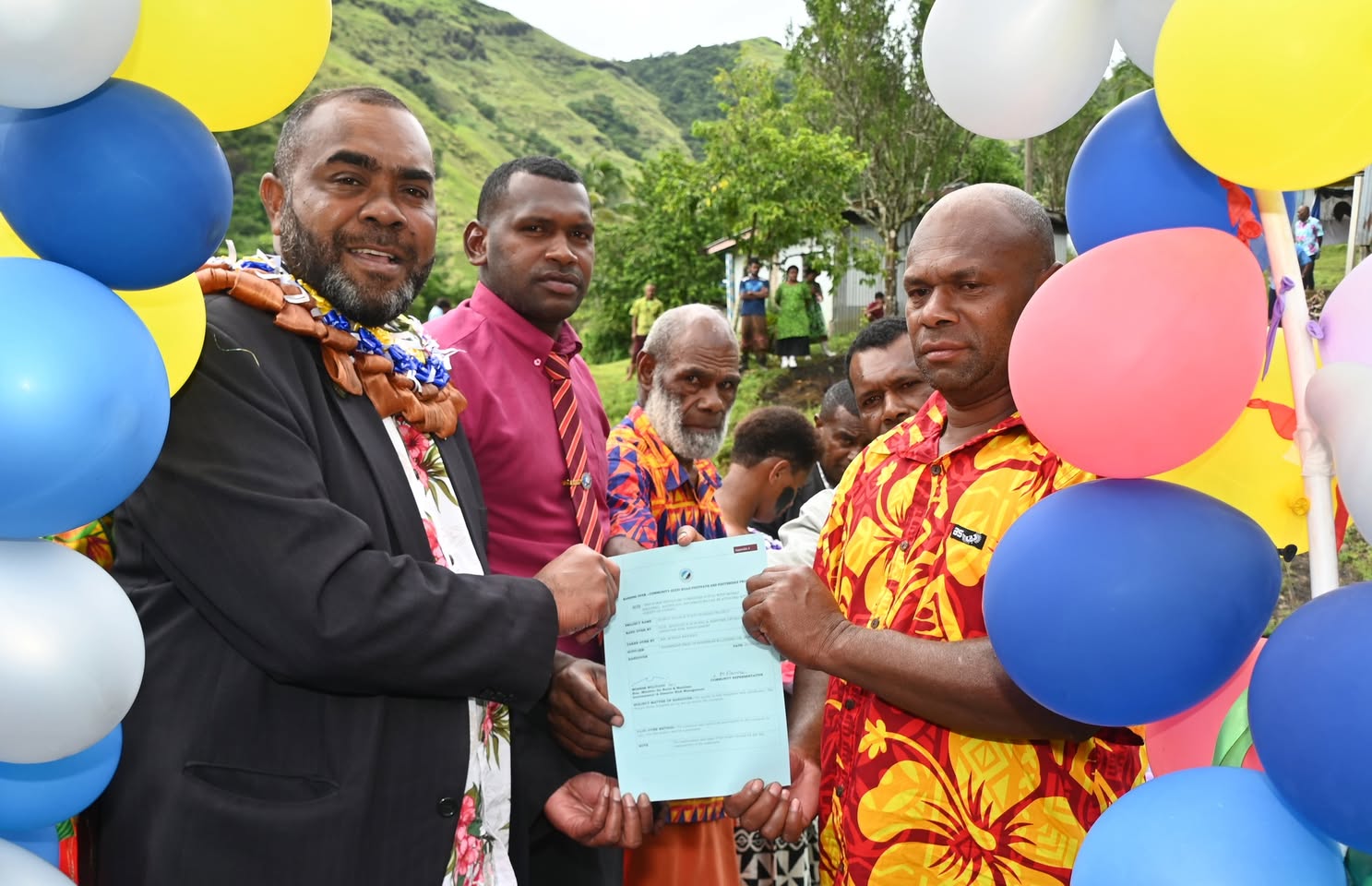
During the commissioning, Hon. Mosese Bulitavu, Minister for Rural and Maritime Development and Disaster Management, said the project reflected Government’s focus on meeting the everyday needs of rural communities.
“This footcrossing is a practical response to the real challenges faced by families in Marou,” the Minister said.
“Safe access here is not a convenience—it is essential for education, health, livelihoods and overall wellbeing.”
Beyond improving daily movement, the footcrossing reduces isolation for the village and supports farming and income-earning activities. It also strengthens community resilience during periods of flooding and extreme weather, ensuring safer movement in emergencies.
Minister Bulitavu also reminded villagers that the long-term value of the project depends on shared responsibility.
“These investments belong to the community,” he said.
“With proper care and maintenance, this footcrossing will continue to serve Marou for many years to come.”
For Marou Village, the footcrossing is more than infrastructure—it is peace of mind, safer journeys, and a small but significant step toward a more connected future.